Why On Page SEO Is Important: The Foundation of Sustainable Search Growth
In the ever-evolving world of digital marketing, businesses are constantly looking for ways to rank higher on Google, attract more traffic, and convert visitors into customers. While off-page SEO, backlinks, and paid advertising often get a lot of attention, on-page SEO remains the foundation of long-term search success. Without it, even the best backlink strategy or advertising campaign will struggle to deliver consistent results.
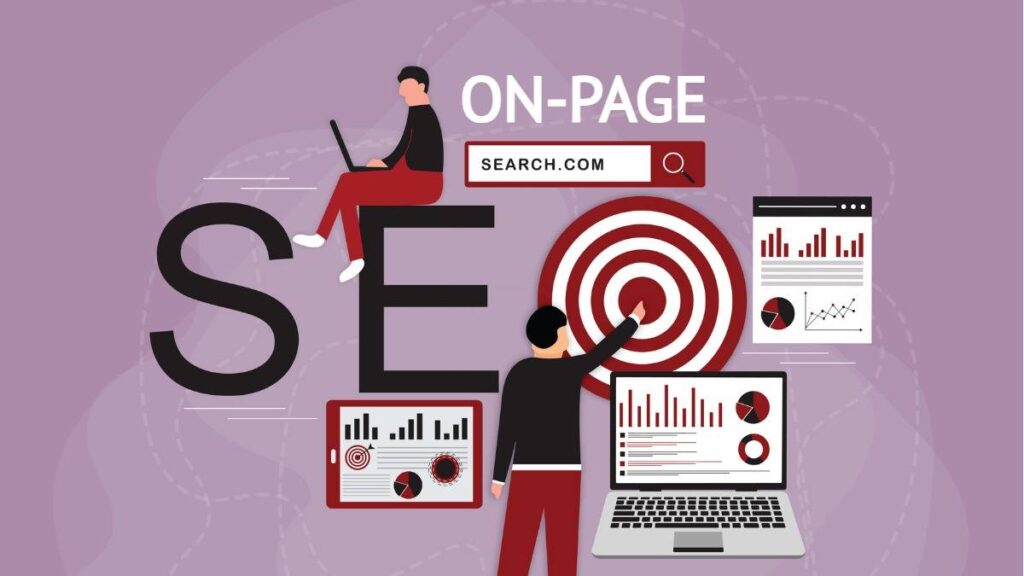
On-page SEO refers to the practice of optimizing individual web pages so they rank higher in search engines and earn more relevant traffic. It includes optimizing content, HTML source code, meta tags, headings, images, internal links, and overall user experience. When done correctly, on-page SEO helps search engines understand your content while delivering a better experience for users.
Let’s explore why on-page SEO is so important and how it contributes to sustainable growth, stronger visibility, and better performance across your entire digital presence — including assets like your Google Business Profile.
1. Helps Search Engines Understand Your Content
Search engines like Google rely on signals within your web pages to determine what your content is about. These signals include:
- Title tags
- Meta descriptions
- Header tags (H1, H2, H3)
- Keyword placement
- Internal linking
- Structured data
- Image alt text
When these elements are optimized properly, search engines can clearly interpret your topic, relevance, and authority. This increases the likelihood that your page will rank for the right search queries.
Without on-page SEO, even high-quality content may go unnoticed. Search engines need structured signals to categorize and index your content accurately. By optimizing your pages strategically, you not only improve rankings but also Increase SEO Insights by understanding which keywords and page elements are driving performance.
2. Improves Organic Rankings
Higher rankings in search results directly translate into increased visibility and traffic. On-page SEO plays a critical role in ranking factors such as:
- Content relevance
- Keyword alignment
- Page structure
- Content depth
- User engagement metrics
Google’s algorithms prioritize content that best satisfies user intent. When your page is optimized around a clear topic and provides comprehensive, valuable information, it signals relevance and authority.
For example, if someone searches for “local SEO services,” a well-optimized page with proper headings, keyword integration, FAQs, and clear structure is more likely to rank than a generic, poorly organized page.
Better rankings mean more organic traffic — traffic that is sustainable and cost-effective compared to paid advertising.
3. Enhances User Experience (UX)
User experience is deeply connected to SEO. Google measures how users interact with your website through signals such as:
- Bounce rate
- Time on page
- Pages per session
- Click-through rate (CTR)
On-page SEO helps improve user experience by ensuring:
- Fast page load speed
- Mobile responsiveness
- Clear content structure
- Easy navigation
- Readable formatting
When users find your website easy to navigate and informative, they stay longer and engage more. This sends positive signals to search engines, reinforcing your rankings.
A well-structured page with headings, bullet points, and concise paragraphs makes content more digestible. This not only benefits users but also increases the chances of appearing in featured snippets and rich results.
4. Drives More Qualified Traffic
On-page SEO is not just about increasing traffic — it’s about attracting the right traffic.
By targeting specific keywords and search intent, you bring visitors who are actively looking for your products or services. This improves conversion rates because your content directly addresses user needs.
For instance, optimizing a page for “best accounting software for small businesses” attracts users ready to compare solutions. This targeted traffic is far more valuable than general visitors who may not have purchase intent.
As you analyze keyword performance, you can Increase SEO Insights into user behavior, refine your content strategy, and improve future optimization efforts.
5. Strengthens Conversion Rates
A major advantage of on-page SEO is its impact on conversions. When pages are optimized properly:
- Messaging becomes clearer
- Calls-to-action (CTAs) stand out
- Content flows logically
- Trust signals are visible
Optimized content aligns with user intent at every stage of the buying journey. Whether users are researching, comparing, or ready to purchase, your page guides them toward action.
For example, structured product descriptions, customer testimonials, FAQs, and clear CTAs can significantly improve conversion rates. SEO brings the visitor, but on-page optimization helps convert them.
6. Supports Local SEO and Google Business Profile Visibility
On-page SEO is also crucial for local businesses. When combined with a well-optimized Google Business Profile, it strengthens your local search presence.
Here’s how:
- Location-based keywords improve local rankings
- Consistent NAP (Name, Address, Phone Number) details reinforce trust
- Local landing pages increase geographic relevance
- Schema markup enhances local search features
Google looks at your website content to validate information from your Google Business Profile. If your website clearly mentions your services, service areas, and location details, it strengthens your credibility in local search results.
Strong on-page SEO ensures your website and Google Business Profile work together as part of a unified local SEO strategy.
7. Enables Better Content Strategy
On-page SEO provides valuable data about:
- Which keywords drive traffic
- Which pages perform best
- What topics generate engagement
- Where users drop off
This data allows you to Increase SEO Insights and refine your content strategy continuously. Instead of guessing what your audience wants, you use performance metrics to guide your decisions.
Over time, this leads to more authoritative content, improved keyword targeting, and stronger domain expertise.
8. Builds Topical Authority
Search engines reward websites that demonstrate deep knowledge in a specific niche. On-page SEO helps you build topical authority by:
- Creating well-structured content clusters
- Interlinking related articles
- Covering subjects comprehensively
- Using consistent keyword themes
When your site consistently publishes optimized, in-depth content around a central theme, search engines begin to see your domain as a trusted resource.
Topical authority increases rankings not just for individual pages but across your entire website.
9. Increases Click-Through Rates (CTR)
Title tags and meta descriptions play a major role in attracting clicks from search results. Even if you rank well, poor optimization can reduce your CTR.
Effective on-page SEO ensures:
- Compelling, keyword-rich titles
- Clear, benefit-focused meta descriptions
- Structured data for enhanced search listings
When your search result stands out, more users click on it — increasing traffic without improving your ranking position.
Higher CTR also sends positive engagement signals to Google, reinforcing your visibility.
10. Creates Long-Term Marketing Value
Unlike paid ads, which stop generating traffic once you stop paying, on-page SEO delivers lasting results. A well-optimized page can rank for months or even years with periodic updates.
This makes SEO one of the most cost-effective digital marketing strategies available.
As your content library grows and your pages become more optimized, your website becomes a powerful traffic-generating asset.
11. Improves Content Accessibility and Structure
On-page SEO encourages clean coding practices and structured content that improves accessibility. Using:
- Proper header hierarchy
- Alt text for images
- Clear anchor text
- Logical URL structure
… makes your website easier for both users and search engines to navigate.
Accessibility improvements also broaden your audience reach, including users with disabilities who rely on screen readers.
12. Aligns With Google’s Algorithm Updates
Google consistently updates its algorithms to prioritize helpful, user-focused content. On-page SEO ensures your website aligns with best practices such as:
- High-quality, original content
- Clear search intent matching
- Mobile-first optimization
- Core Web Vitals performance
By focusing on on-page optimization, you reduce the risk of penalties and maintain stability during algorithm changes.
Conclusion: On-Page SEO Is the Backbone of Digital Success
On-page SEO is not just a technical checklist — it is the backbone of your entire digital marketing strategy. It:
- Helps search engines understand your content
- Improves rankings and organic visibility
- Enhances user experience
- Drives qualified traffic
- Strengthens conversions
- Supports local SEO and Google Business Profile performance
- Provides data to Increase SEO Insights
- Builds long-term authority and sustainable growth
Without strong on-page SEO, other marketing efforts lose effectiveness. But with it, your website becomes a powerful asset that continuously attracts, engages, and converts visitors.
In today’s competitive online landscape, businesses that invest in high-quality on-page SEO position themselves for consistent, measurable, and scalable growth.