How Do I Become a Digital Marketer? A Complete Step-by-Step Guide
If you’re asking yourself how do I become a digital marketer, you’re not alone. Digital marketing has become one of the most in-demand career paths in today’s online-first world. Businesses of all sizes rely on digital channels to reach customers, build brand awareness, and drive sales, which means skilled digital marketers are needed more than ever.
The good news is that digital marketing is one of the most accessible careers to enter. You don’t necessarily need an expensive degree or years of experience to get started. With the right skills, hands-on practice, and a willingness to keep learning, you can build a successful career in this fast-growing field.
This article will walk you through exactly what digital marketing is, the skills you need, and the practical steps you can take to become a digital marketer—even if you’re starting from scratch.
What Is Digital Marketing?
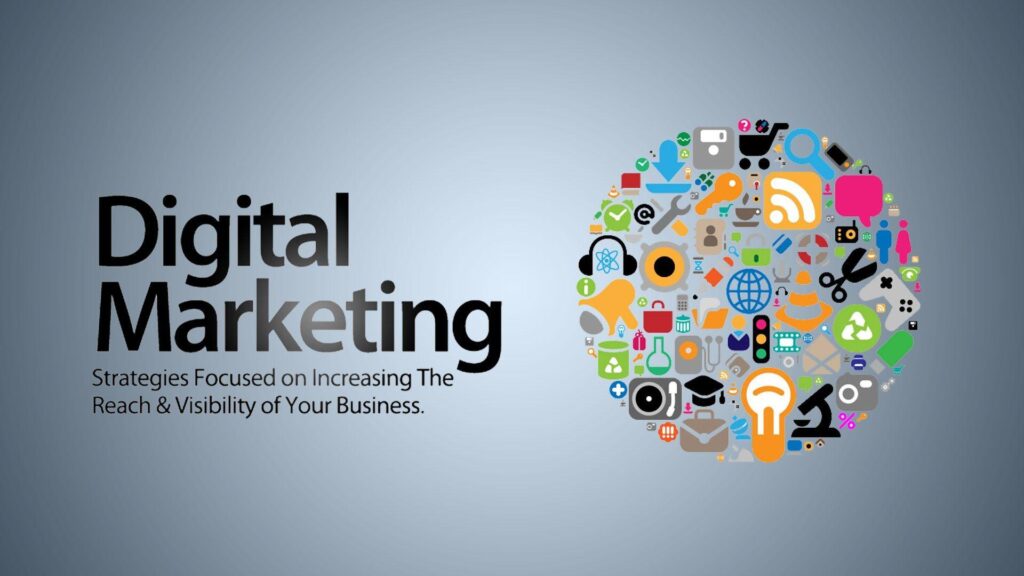
Digital marketing refers to all marketing efforts that use the internet or electronic devices to promote products or services. Unlike traditional marketing methods such as print ads or billboards, digital marketing focuses on reaching people through online platforms where they spend most of their time.
Common digital marketing channels include:
- Search engines (Google, Bing)
- Social media platforms (Facebook, Instagram, LinkedIn, X)
- Email marketing
- Websites and blogs
- Paid online advertising
- Mobile apps and messaging platforms
A digital marketer’s role is to use these channels strategically to attract, engage, and convert audiences into customers while tracking and improving performance using data and analytics.
What Does a Digital Marketer Do?
A digital marketer’s responsibilities vary depending on their role and specialization, but typical tasks include:
- Planning and executing online marketing campaigns
- Conducting keyword and market research
- Creating and optimizing content for search engines
- Managing social media accounts and paid ads
- Running email marketing campaigns
- Tracking performance using analytics tools
- Optimizing campaigns to improve results
Some digital marketers are generalists who handle multiple areas, while others specialize in one field such as SEO, paid advertising, or social media marketing.
Step 1: Learn the Basics of Digital Marketing
The first step in answering how do I become a digital marketer is learning the fundamentals. You need to understand how different digital channels work and how they fit together in a marketing strategy.
Key areas to start with include:
Search Engine Optimization (SEO)
SEO focuses on improving website visibility in search engine results. This includes keyword research, on-page optimization, technical SEO, and link building.
Content Marketing
Content marketing involves creating valuable content such as blog posts, videos, and infographics to attract and engage an audience.
Social Media Marketing
This includes growing brand presence, engaging followers, and running paid campaigns on social media platforms.
Email Marketing
Email marketing is about building subscriber lists and sending targeted emails to nurture leads and retain customers.
Pay-Per-Click Advertising (PPC)
PPC involves running paid ads on platforms like Google Ads or social media to drive immediate traffic and conversions.
There are many free resources, blogs, YouTube channels, and beginner courses that can help you learn these basics.
Step 2: Get the Right Education (Optional but Helpful)
A formal education is not mandatory to become a digital marketer, but it can be helpful. Many professionals have degrees in marketing, business, communications, or related fields.
However, digital marketing values skills and results more than degrees. Many successful marketers are self-taught or have learned through online courses and certifications.
If you don’t want to pursue a degree, focus on:
- Online digital marketing courses
- Industry blogs and tutorials
- Practical learning through real projects
Step 3: Earn Digital Marketing Certifications
Certifications help validate your skills and make your resume stand out, especially if you’re a beginner. They also provide structured learning and hands-on practice.
Popular certification areas include:
- Google Ads
- Google Analytics
- Content marketing
- Social media advertising
- Email marketing platforms
While certifications alone won’t guarantee a job, they show employers that you understand industry tools and best practices.
Step 4: Gain Practical Experience
Experience is one of the most important factors in becoming a digital marketer. Employers want to see that you can apply your knowledge in real situations.
Ways to gain experience include:
- Internships or entry-level marketing roles
- Freelancing for small businesses or startups
- Managing social media accounts for local brands
- Creating your own website or blog
- Running test ad campaigns with small budgets
Even personal projects count. For example, ranking your own blog on Google or growing a social media page can demonstrate your skills effectively.
Step 5: Build a Strong Digital Marketing Portfolio
A portfolio showcases your skills and results. It’s often more powerful than a resume because it proves what you can actually do.
Your portfolio can include:
- SEO case studies
- Content samples (blogs, landing pages, emails)
- Social media growth screenshots
- Paid ad campaign results
- Analytics reports and insights
If you don’t have client work yet, use personal projects or mock campaigns to build your portfolio.
Step 6: Develop Essential Digital Marketing Skills
To succeed in digital marketing, you need both technical and soft skills.
Technical Skills
- SEO tools and techniques
- Analytics and data interpretation
- Social.cted media platforms and ad managers
- Email marketing tools
- Content creation and basic design
Soft Skills
- Creativity and problem-solving
- Communication and storytelling
- Time management
- Adaptability to new trends
- Analytical thinking
Digital marketing evolves quickly, so continuous learning is critical.
Step 7: Network and Stay Updated
Networking plays a big role in career growth. Connect with other digital marketers through:
- Online communities and forums
- Webinars and virtual conferences
- Industry blogs and newsletters
Staying updated with trends, algorithm changes, and new tools helps you remain competitive in the field.
Career Paths in Digital Marketing
Once you gain experience, you can specialize or advance into higher roles. Common career paths include:
- SEO Specialist
- Social Media Manager
- Content Strategist
- PPC Specialist
- Email Marketing Manager
- Digital Marketing Manager
Some professionals choose freelancing, consulting, or starting their own digital marketing agencies.
Final Thoughts
If you’ve been wondering how do I become a digital marketer, the answer lies in learning the fundamentals, gaining hands-on experience, and continuously improving your skills. Digital marketing rewards curiosity, creativity, and data-driven thinking.
You don’t need to know everything at once. Start small, focus on one area, practice consistently, and build real-world results. With dedication and the right approach, digital marketing can become a rewarding and flexible career with long-term growth opportunities.