Do Nofollow Links Help SEO? A Practical Guide for Digital Marketers & Local SEO Specialists
When you’re building a backlink strategy — whether for a small local business or a global brand — you’ll quickly come across two types of links: dofollow and nofollow. The word nofollow often sparks debate, confusion, and sometimes outright dismissal: “They don’t pass SEO value, so why bother?” But that’s an oversimplification. Let’s unpack this.
What Are Nofollow Links?
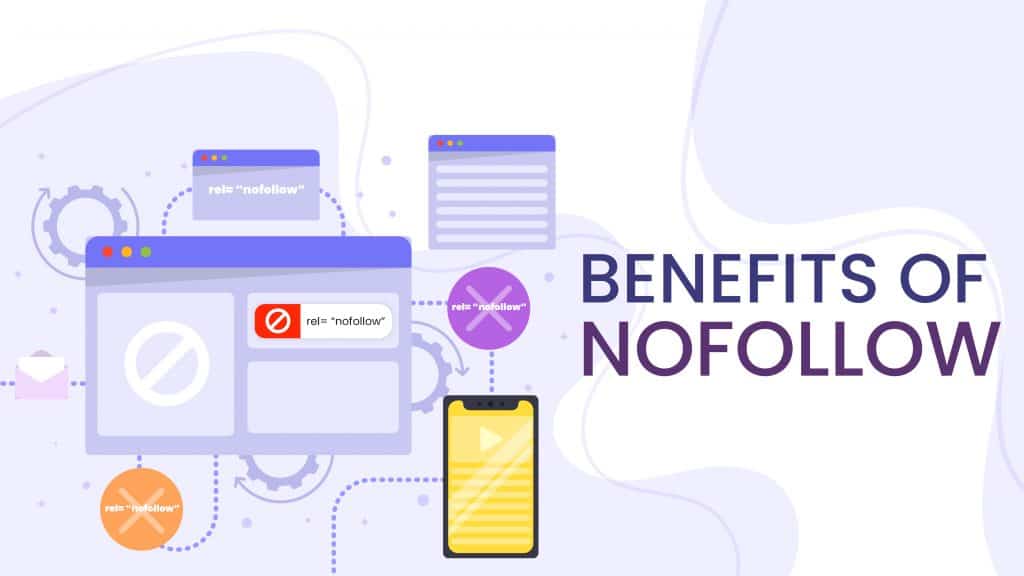
At the most basic level, a nofollow link is a hyperlink that includes a special HTML attribute: rel="nofollow". This attribute tells search engines not to pass authority (link juice) from one site to another. Nofollow links were introduced by Google in 2005 as a tool to fight comment spam and discourage manipulative link schemes.
In contrast, dofollow links (which don’t have the nofollow tag) do pass link equity and contribute to a site’s ranking potential. That’s why most SEO strategies still prioritize dofollow links from authoritative sites.
However, search engines have evolved. Today they treat the nofollow attribute as a hint, not a strict command, meaning they may still crawl or index pages discovered through nofollow links.
Do Nofollow Links Pass SEO Value Directly?
Here’s the short answer — and it’s important:
Nofollow links do not directly pass ranking authority or PageRank to your site.
Google has been clear on this: if a link is marked nofollow, it won’t transfer any of your site’s SEO authority in the traditional sense. That’s why link builders and local SEO specialists prioritize dofollow backlinks when trying to boost rankings directly.
A backlink profile made up only of dofollow links can look unnatural — potentially suspicious to search engines — which is why a healthy mix of link types (including nofollow) is actually desirable.
So Why Are Nofollow Links Still Useful?
Although nofollow links don’t improve rankings the same way dofollow links do, they offer several indirect SEO benefits that matter for long-term strategy — especially in digital marketing and local SEO.
1. They Drive Referral Traffic
Unlike bots, users don’t care whether a link is nofollow. A click is a click.
A nofollow link on a high-quality site — like a blog, forum, or social media page — can still send real people to your website. Those real visitors can:
- Explore your content
- Complete conversions
- Sign up for newsletters
- Share your content
- Become loyal customers
Referral traffic of this nature is valuable: engaged users can reduce bounce rates and improve on-site engagement metrics like time on page, which indirectly signal relevance to search engines.
2. They Increase Brand Visibility & Credibility
Imagine your business is mentioned with a link on an industry blog, community forum, or popular news site — even if the link is nofollow. Those impressions still expose your brand to new eyes.
For a local SEO specialist, this visibility means:
- Potential customers see your business name more often
- Local reputation improves
- More people search for your brand directly
- Prospects feel more confident engaging with your services
Brand visibility doesn’t show up in rankings directly, but it bolsters your overall digital marketing ecosystem and builds recognition that can lead to more backlinks in the future.
3. They Contribute to a Natural Backlink Profile
Search engines don’t just count backlinks — they assess link diversity.
An unnatural backlink profile — e.g., one with only dofollow links — may trigger suspicion that links were artificially acquired. But a mix of:
- Dofollow
- Nofollow
- Sponsored
- UGC links
makes your profile look organic and balanced — a signal search engines like to see.
This is especially important for local businesses because community-centric sites, directories, and local forums often use nofollow attributes. Having these in the mix tells search engines your profile is truly rooted in natural mentions rather than paid link building.
4. They Can Aid Crawling & Indexation
While nofollow links don’t always pass authority, they can still help search engine bots discover and crawl content. Google uses links, including nofollow ones, to find new pages — and once discovered, pages can be indexed even if the link didn’t pass ranking signals.
This can be important for:
- New websites trying to get indexed
- Fresh blog posts needing crawl attention
- Pages with little existing backlink history
When a nofollow link helps a search engine bot find a page faster, that’s an indirect SEO contribution.
5. Nofollow Links Can Create “Link Echo” Effects
Some digital marketing studies show that nofollow links can lead to natural dofollow links later. This happens when:
- A user discovers your content through a nofollow link.
- They like it.
- They write about it and link back with a dofollow link.
This ripple effect — sometimes called the link echo effect — makes nofollow links seeds for future SEO-boosting backlinks.
Practical Use Cases for Nofollow Links
So when should you actually use or accept nofollow links?
🔹 Sponsored or Paid Links
If a link is part of a sponsorship, ad, or paid placement, it should be nofollow (or use rel="sponsored"). This keeps you compliant with search engine guidelines and prevents potential penalties.
🔹 User-Generated Content (UGC)
Forums, comment sections, social posts, and any content that users generate often contains links. Since you don’t control the quality of these links, they’re typically nofollow to avoid endorsing unknown sites.
🔹 Affiliate Links
Affiliate links are typically marked nofollow to signal they’re commercial, not editorial, and shouldn’t impart SEO authority.
🔹 Low-Trust or Third-Party Links
If you link out to content you don’t fully trust or endorse, marking the link as nofollow prevents your site from “passing” authority to them — keeping your own SEO profile cleaner.
What SEO Experts Actually Think
Industry data suggests that nofollow links do matter — just not in the old, straight link juice sense.
A recent analysis found that 78.8% of SEO professionals believe nofollow links impact SEO, especially when examining natural backlink profiles of high-ranking sites. The most successful sites typically have around 20–30% nofollow links.
That doesn’t mean nofollow links will push your page to #1 overnight — but it does mean ignoring them could weaken your overall backlink ecosystem.
Key Takeaways for Local SEO Specialists & Digital Marketers
Here’s what it all adds up to:
✔️ Nofollow links do not boost rankings directly
They don’t pass PageRank, and you won’t climb SERPs just because of them.
✔️ They have significant indirect SEO value
By driving traffic, enhancing brand visibility, aiding discovery, and diversifying link profiles.
✔️ A healthy backlink profile includes both dofollow and nofollow links
Especially if you want your link profile to look natural and credible.
✔️ For local businesses, nofollow links are common and useful
Local news sites, community blogs, and discussion forums often use nofollow links — and these still bring visitors, visibility, and trust signals.
Conclusion: Nofollow Links Do Help SEO — Just Not in the “Old School” Way
In the early days of search, nofollow links were often dismissed as worthless. Today, the world of SEO is more nuanced:
- If you’re a local SEO specialist, nofollow links from relevant community sites can help build awareness among local audiences.
- If you’re a digital marketer, you’ll recognize that nofollow links can support broader goals — from referral traffic and engagement to brand trust and natural link patterns.