Is Digital Marketing Legit?
Digital marketing is everywhere. From small local shops in places like Cotabato Province to global brands, most businesses now use online channels to reach customers. Yet despite its widespread use, many people still ask, “Is digital marketing legit?” — especially when they see flashy ads promising overnight success and huge profits. The short answer is: yes, digital marketing is a genuine and powerful business strategy when implemented ethically and strategically.* However, there are scams, hype, and misleading practices that give the entire field a bad reputation if you don’t know how to separate real opportunities from red flags.
In this article, we’ll explore what digital marketing really is, why some people doubt it, how to tell if a service is trustworthy, and practical tips for businesses looking to invest — including how an agency like Increase SEO Insights Agency can help legitimate business growth.
🌐 What Is Digital Marketing?
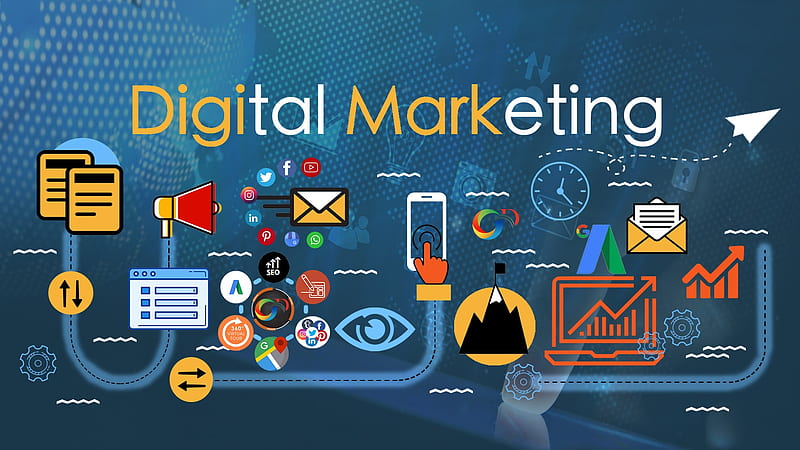
At its core, digital marketing refers to any strategy that uses digital channels — websites, search engines, email, social media, and online ads — to promote products, services, or brands. It’s broader than just “posting on social media”; it includes:
- Search Engine Optimization (SEO)
- Pay-Per-Click (PPC) advertising
- Email marketing
- Content marketing
- Social media marketing
- Affiliate marketing
- Analytics and data tracking
Digital marketing lets businesses target specific audiences, measure results in real time, and optimize spending far more efficiently than many traditional advertising methods.
🤔 Why Do Some People Think Digital Marketing Isn’t Legit?
Despite its real value, skepticism persists — and there are a few clear reasons:
1. Misleading Promises by Scammers
Some individuals or companies claim you can make tons of money with “no skills” or in “just a few days.” These get-rich-quick promises are false and often linked to scams or low-value courses that deliver little real education.
2. Poor Experiences with Marketing Providers
There are real stories of businesses spending large amounts on a “marketing package” only to see no results. For example, a small business owner in Melbourne paid nearly $20,000 for a website and SEO services — only to get almost zero traffic or sales.
3. Unknown or Hidden Practices
Some service providers use unethical tactics like fake followers, bots, or shortcuts disguised as strategy. These can hurt a business’s reputation instead of helping it.
4. Confusion Between Legitimate Digital Marketing and MLM Schemes
Sometimes digital marketing is conflated with multi-level marketing (MLM) schemes or overpriced courses that make money by recruiting others rather than providing real marketing value. This blurs the line in public perception.
✅ The Clear Truth: Digital Marketing Is Legit
Here’s what the research and leading online resources confirm:
✔ Real Business Results Are Achievable
Companies of all sizes, from local shops in Cotabato Province to global brands, invest in digital marketing because it delivers measurable results — when done correctly. It’s estimated that businesses will spend hundreds of billions on digital advertising worldwide given its impact.
✔ Core Strategies Are Evidence-Based
SEO, PPC, content marketing, and email campaigns are backed by data — not guesswork. Businesses can track everything from website traffic to conversion rates and revenue.
✔ Ethical Agencies Deliver Long-Term Value
Legitimate agencies — like Increase SEO Insights Agency — build strategies that emphasize transparency, measurable goals, and ethical practices rather than shortcut tactics that promise instant results.
📌 What Makes Digital Marketing Legitimate?
A real digital marketing strategy or service will have several key characteristics:
📊 Data-Driven Strategy
Legitimate digital marketing uses analytics tools (like Google Analytics, SEMrush, Ahrefs, or ad-platform dashboards) to monitor performance and optimize campaigns.
📄 Clear Goals and Deliverables
A trustworthy marketer explains what they will do, why they are doing it, how they will measure success, and when results are expected.
📚 Educational Transparency
Good service providers educate their clients on how methods work — rather than hiding their processes or using jargon.
📈 Ethical Tactics
Real digital marketing follows “white-hat” practices — for instance, no fake followers, no keyword stuffing, no bots, and no misleading reporting.
📝 Case Studies & References
Professional agencies provide proof of past success, not vague claims.
🚩 Red Flags: When It Might Not Be Legitimate
If you encounter these warning signs, proceed with caution:
⚠ Guaranteed Rankings or Results
Any promise like “#1 on Google in 7 days” is unrealistic and likely a scam.
⚠ Vague Contracts or Hidden Fees
Always read contracts carefully. Avoid deals that lock you in with no clear deliverables.
⚠ Purchased Followers / Fake Engagement
These artificial metrics inflate numbers but do nothing for real business results.
⚠ High-Pressure Sales Tactics
Reputable marketers won’t rush you into signing or make you feel unsafe for asking questions.
⚠ Lack of Transparency
If you cannot access your own accounts, analytics, or reports — that’s a major red flag.
📌 Common Scams and How to Avoid Them
Here are some scams that give digital marketing a bad name — and how to protect yourself:
1. Fake Lead Generation Services
These sell lists of contacts that are worthless or fake, wasting money and effort.
2. Black-hat SEO Schemes
Tactics like link farming, keyword stuffing, or hidden text may give a short boost but eventually result in penalties.
3. Click Fraud and Fake Ad Spend
Bots clicking on ads can drain budgets without delivering genuine engagement. Always monitor your ad analytics.
4. Advance-Fee and Phishing Scams
Scammers impersonate reputable platforms (even Google), urging payments for services that are either unnecessary or nonexistent.
5. Overpriced “Get Rich Quick” Courses
Some online courses promise wealth with minimal effort — but provide generic content you could find for free. Be wary of high-pressure sales.
📈 How to Vet a Legitimate Digital Marketing Partner
Before hiring anyone — whether an individual freelancer or a full agency — follow this checklist:
☑ Ask for Case Studies
Look for real clients, real data, and measurable outcomes.
☑ Check Testimonials and Reviews
Independent reviews on third-party platforms are more trustworthy than testimonials on a provider’s own site.
☑ Request Access to Analytics
You should own your accounts and be able to see results yourself.
☑ Understand the Strategy
Ask questions! A legitimate provider explains clearly what they plan to do and why.
☑ Ask About Reporting Frequency
Regular performance reports with real KPIs should be part of the service.
📌 How Legitimate Digital Marketing Helps Businesses Succeed
When digital marketing is done right, it can transform how a business connects with customers:
🔍 Helps Local Businesses Find Customers
For shops and services in areas like Cotabato Province, digital marketing lets you reach people searching online for what you offer right in your community.
📈 Builds Long-Term Visibility
SEO and content marketing grow over time, creating ongoing value.
📊 Measurable ROI
Unlike traditional advertising, you can track everything precisely — from clicks to purchases.
💡 Educates Customers
Good digital marketing tells a story, builds trust, and guides customers through the buying journey.
🌟 Final Verdict: Digital Marketing Is Legit — With Conditions
Digital marketing is a real, measurable, and effective strategy used by millions of businesses worldwide. It enables brands large and small — from international companies to local enterprises like those served by Increase SEO Insights Agency — to reach the right customers at the right time.
However:
✔ It requires strategy
✔ It needs time, consistency, and expertise
✔ It must be ethical and transparent
✔ You must avoid hype and scams
If you enter the process informed and cautious, digital marketing is not only legitimate — it’s one of the best investments your business can make in the digital age.